
Aluminum Continuous Casting and Rolling Line
(4+10 Rolling Stands)
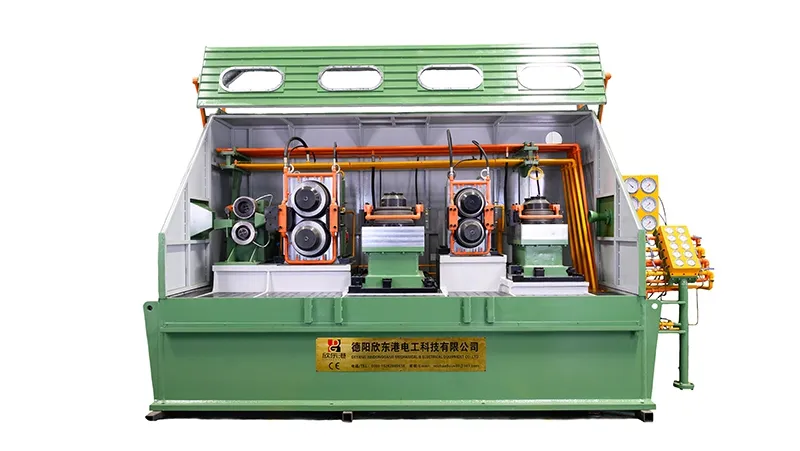
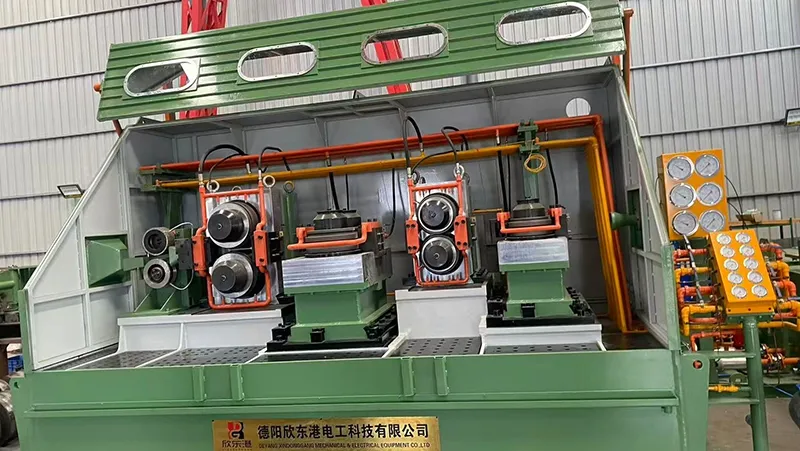
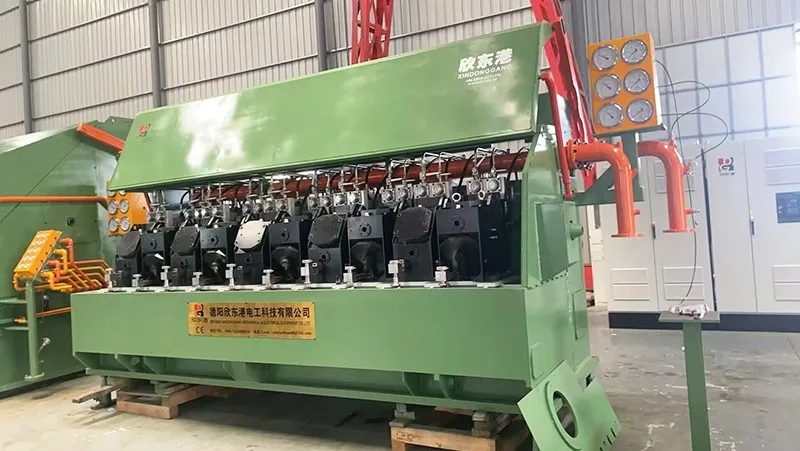
Aluminum rod CCR lines with a 4+10 rolling stand layout produce EC-grade aluminum rod and aluminum alloy rod through a continuous casting and rolling process. Molten aluminum or aluminum alloy is cast into billets and then fed directly into the rolling section while still hot, so no separate reheating step is needed. Thanks to the 4+10 rolling stand layout, the billet is gradually shaped into finished rod with consistent diameter and a smooth surface. Finished rods are used as conductor materials for wire and cable production, overhead conductors, photovoltaic cables, and other electrical applications. The oil-water separation system keeps the rolling fluid cleaner and easier to reuse, which helps make long production runs easier to manage.
- Pure Aluminum Rods (1xxx series)
1060, 1070, 1100, and 1200 rods for standard electrical conductor applications. - Electrical Aluminum Alloy Rods (6xxx series and some 5xxx)
6101, 6201, and 6063 alloy rods, along with selected 5xxx series rods for specific conductor requirements. - Rods for Cable and Overhead Lines
Al-ST aluminum rods and round aluminum rods used in common cable and overhead conductor production. - High-Performance Rods
High-strength aluminum alloy rods, heat-resistant alloy rods, and specialty rods for photovoltaic cables and other electrical conductor applications.
| Model | Casting Cross-Section (mm²) | Rod Diameter (mm) | Max. Final Rolling Speed (m/s) | Max. Output (t/h) | Number of Rolling Stands | Rolling Mill Layout | Take-Up Type | |
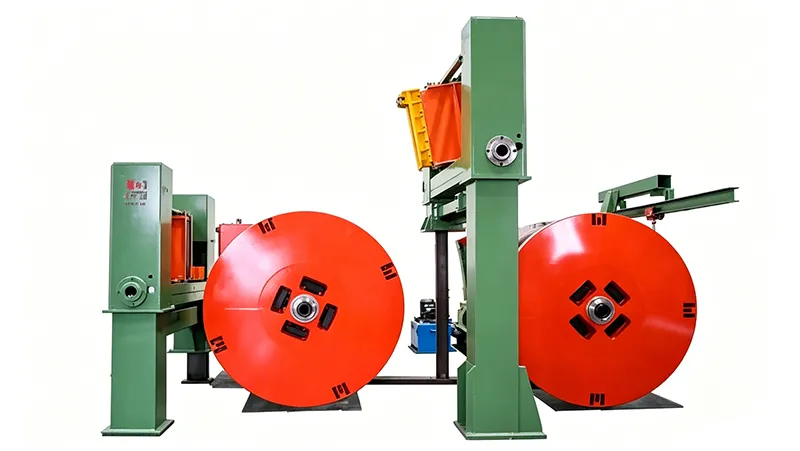
| XDG 3400/9.5 -(400/4)+ 180/10-IType | 3400 | Ø9.5, Ø12, Ø15 | 12.3 | Aluminum alloy rod: 4.5 | Aluminum rod: approx. 8 | 14(4+10) | 4 two-roll stands + 10 three-roll stands | Dual reel take-up |
- Continuous Casting Machine
- Straightening Machine
- Front Traction Positioning Device (front drive for billet alignment)
- Rotary Shear
- Induction Heating Furnace
- Roughing Mill
- Finishing Mill
- Quenching Unit
- Fully Automatic Dual-Reel Rod Take-Up System
- Gearbox Lubrication System
- Emulsion Cooling System
- Electrical Control System
Melting and Alloying → Launder and Degassing → Continuous casting → Three-Roll Rolling → Oil-Water Separation → Rod Cooling → Automatic Coiling → Inspection And Storage
- Melting and Alloy Preparation
The aluminum ingots are melted in the furnace, with alloying elements added as necessary. Once the aluminum is melted, it then moves into the holding furnace for degassing, slag removal, and stable temperature control before casting. - Melt Processing
The molten aluminum flows through the launder system, which removes hydrogen and filters out contaminants. Temperature must be carefully managed to ensure that the metal remains stable and consistent before proceeding to the continuous casting stage. - Continuous Casting
The molten aluminum enters the crystallizer, where water cooling shapes it into a continuous solid billet. The cast billet is then pulled forward, straightened, and fed steadily toward the rolling section to ensure smooth, stable handling for the next stage. - Continuous Rolling
The hot cast bar enters the Y-type three-roll rolling mill, to be gradually reduced to the required rod diameter. Emulsion or rolling oil cools and lubricates the rod, which helps it move smoothly through the mill with a more stable surface finish. - Oil-Water Separation
Rolling emulsion and cooling water are collected and processed through a multi-stage oil-water separation system. Clean water is returned to the circulation system, and waste oil is recovered, helping maintain stable production and reduce resource waste. - Post-Rolling Rod Treatment
After rolling, the aluminum rod is cooled (air-cooled), surface-dried, and cleaned to remove water and oil. Diameter is measured and the surface inspected, then the rod is straightened and sized to ensure it meets specifications. - Automatic Coiling
The finished rod is wound into large coils with weights controlled between 2 and 5 tons per coil. Automatic unloading and packing simplify handling, storage, and shipping. - Finished Rod Storage
Finished EC-grade round aluminum rods and aluminum alloy rods go through inspection, weighing, and recording before storage.